Project Alfheim
Industrial-scale biochar carbon removal in Paraguay.
Project Overview
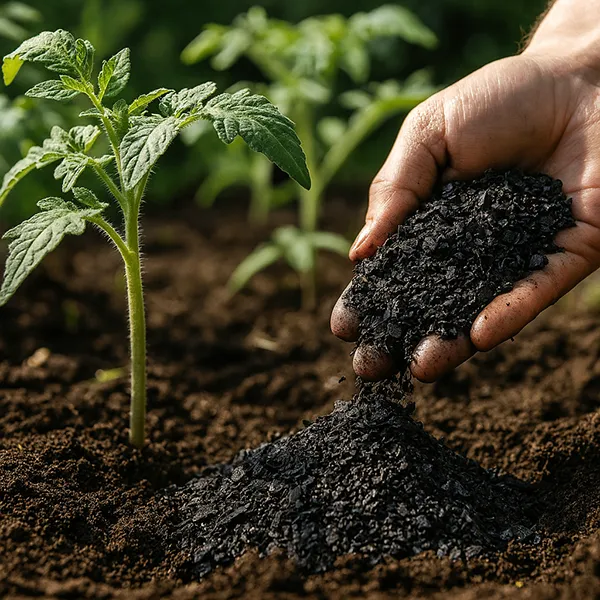
Project Alfheim converts waste biomass residues into high-quality biochar through industrial pyrolysis, creating durable carbon removal while generating renewable energy and productive uses for biomass waste streams.
Alongside the production facility, Alfheim incorporates monitoring, traceability and verification systems designed to provide a clear link between biomass inputs, biochar outputs and carbon removal claims.
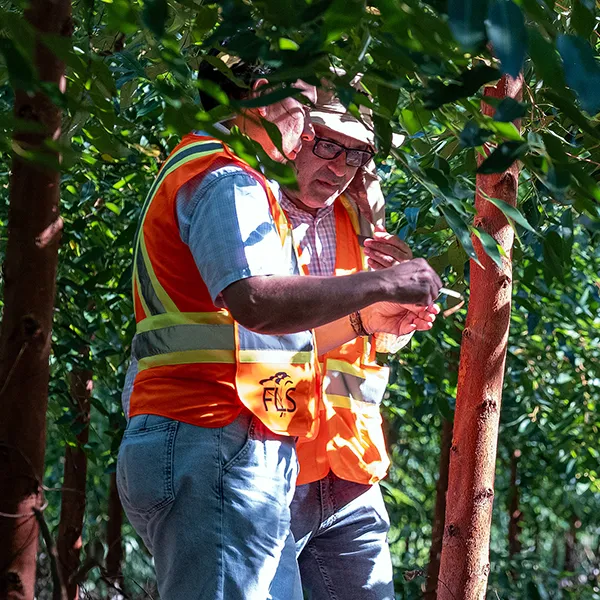
A particular focus is the integrity of the sampling process. Carbon removal claims ultimately depend on whether laboratory samples are representative, traceable and properly documented. Alfheim is developing procedures designed to strengthen that link through independent sampling protocols, digital record keeping and documented chain of custody.
Target project metrics
Industrial
Scale biomass pyrolysis

11,500 t/y
WBC-certified biochar production

17,000 t/y
Verified CDR credits

Renewable
Energy generation for local industrial users
Our model
Waste biomass residues are converted into stable, carbon-rich biochar
Renewable energy is generated as part of the process, supporting local industrial users.
Digital MRV, laboratory testing, and independent sampling strengthen the evidence chain.
Progress to date
Follow the latest project updates, read our most recent newsletter.
Project Partners
HaiQi Environmental Technologies
Pyrolysis and gasification technology, including equipment supply, maintenance and technical refinement.
DecarboEngineering
Thermochemical biomass conversion expertise supporting project design, technology selection and operational configuration.

Cula Technologies
Carbon removal software and digital MRV infrastructure supporting traceability, sampling and reporting.
Sustainability & Governance
The project is designed around circular-economy principles, integrating agricultural waste management, renewable energy generation, carbon removal, and soil regeneration.
In addition to local regulatory requirements, the project is being developed in alignment with recognized carbon removal and monitoring frameworks, including Puro.earth.
These frameworks support feedstock traceability, carbon accounting, monitoring and verification.