At FLS, we believe responsible forestry isn’t just about keeping forests productive and protecting ecosystems—it’s also about creating quality jobs and having a meaningful impact on local communities.
As part of our commitment to responsible forestry, FLS aligns with internationally recognized sustainability standards, including IFC Performance Standards, Gold Standard, and FSC requirements. But sustainability isn’t just about ticking boxes, it requires continuous engagement with the people most affected by these projects.
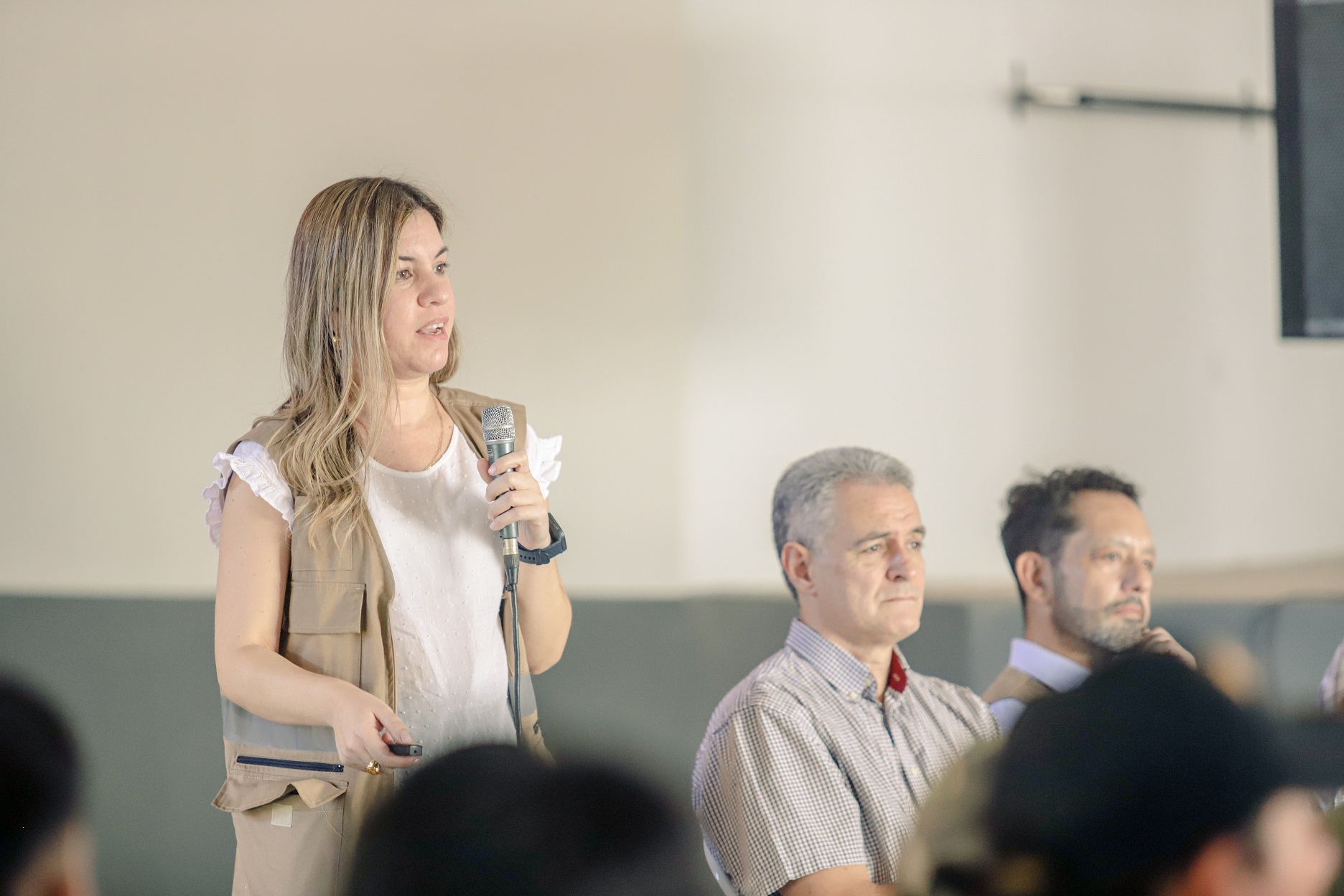
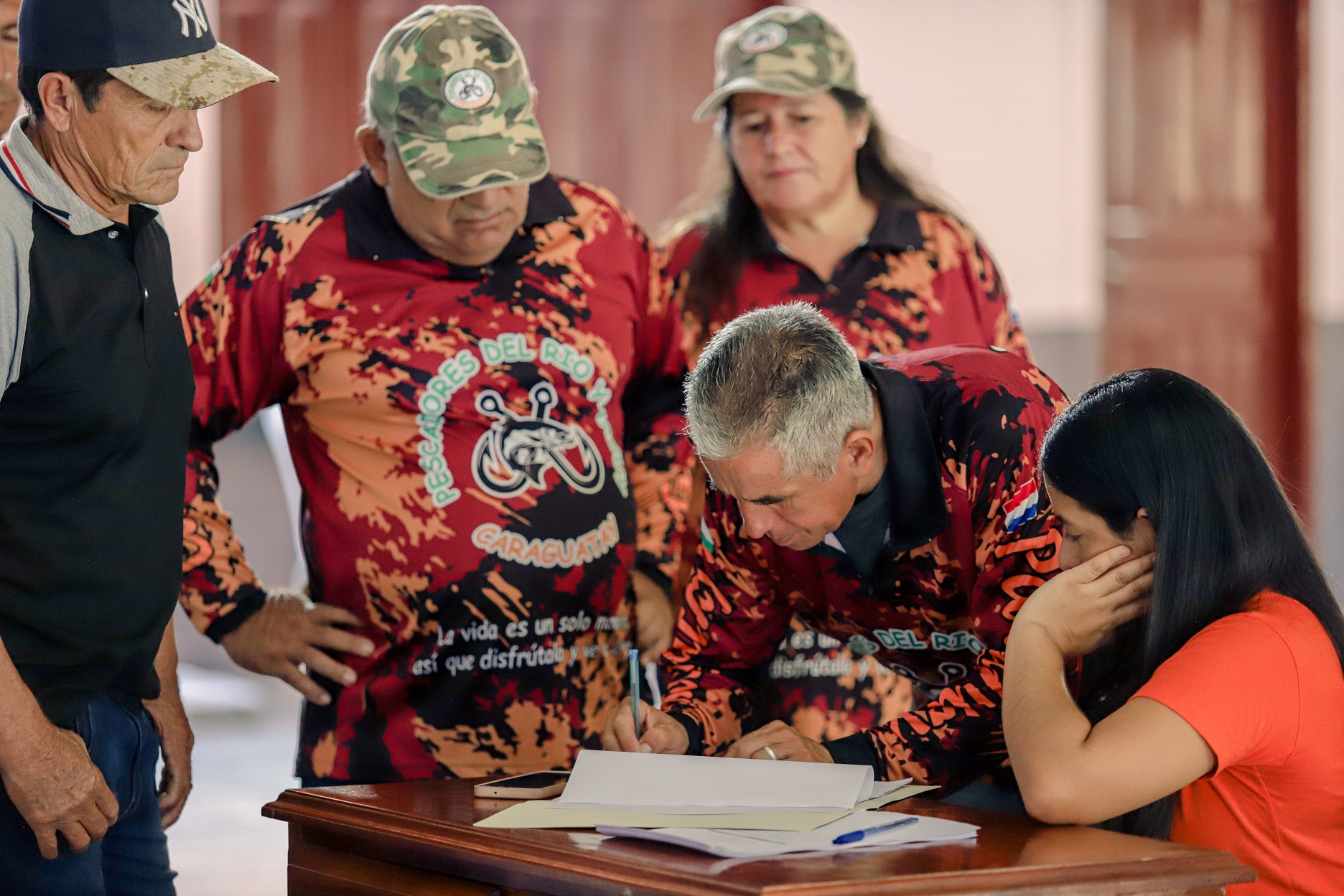
In February, FLS, in partnership with Fundación Moisés Bertoni—a leading Paraguay NGO and conservation partner for Project Midgard—held a public consultation (audiencia pública) at the local town hall.
Organized alongside local authorities, the event brought together around 50 attendees, including representatives from MADES, INFONA, and various community groups. It was an opportunity for open dialogue, transparency, and, importantly, for local voices to shape the project’s development—including raising concerns about aspects they didn’t agree with.
We recognize that engagement isn’t a one-time event. To ensure that concerns raised at the town hall don’t just sit on a shelf, FLS is setting up a roundtable with local interest groups. This ongoing platform will help us work through challenges together, aligning community needs with environmental and economic goals.
Accountability is also critical. Fundación Moisés Bertoni will facilitate a dedicated, independent grievance channel, ensuring that local concerns are addressed in a structured and transparent way. This builds trust and strengthens our partnerships with stakeholders on the ground.
The future of forestry investment lies in integrating economic incentives with environmental and social responsibility. One of the best ways to achieve this balance is through the mosaic model—a strategy that promotes biodiversity, creates local job opportunities, and improves access to forestland. This approach not only strengthens community ties and long-term project sustainability but also enhances transparency and security. Open and accessible project areas reduce the risk of illicit activity in remote forests, while supporting local livelihoods helps ease economic pressures that can drive illegal encroachment into protected lands.
By working closely with communities and investing in long-term, continuous engagement, we can create resilient landscapes that support both people and nature.